
We Thought It Would Be Incremental. The System Was Just That Broken.
A B2B company came to us with $5 million in their sales pipeline. Six months later it was $50 million. Same team. Same product. Here is what actually happened.
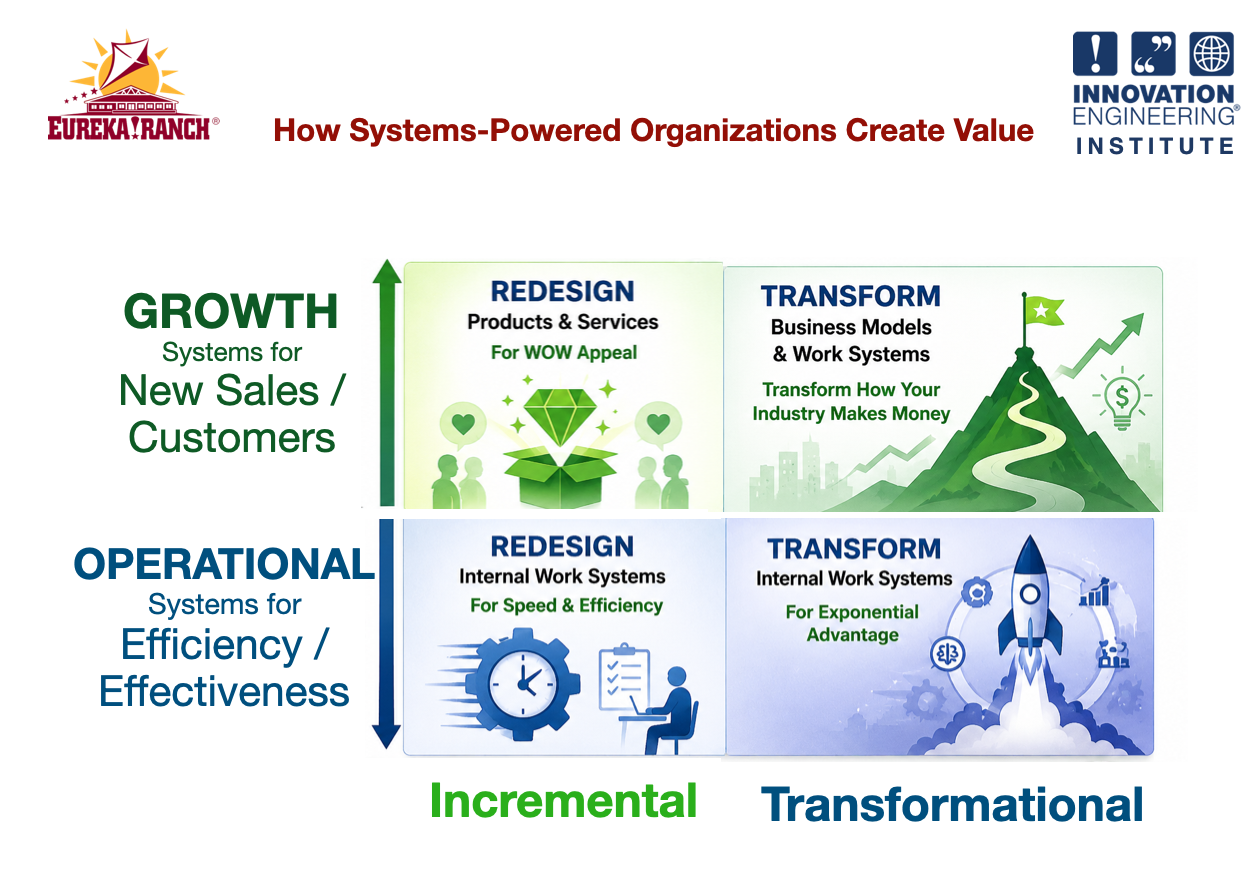
The company did not come to us asking for a transformation. They had a straightforward problem. Their marketing department only had $5 million in the sales pipeline and they needed more. We said let us start with something incremental, see if we can get some momentum there. That was the plan.
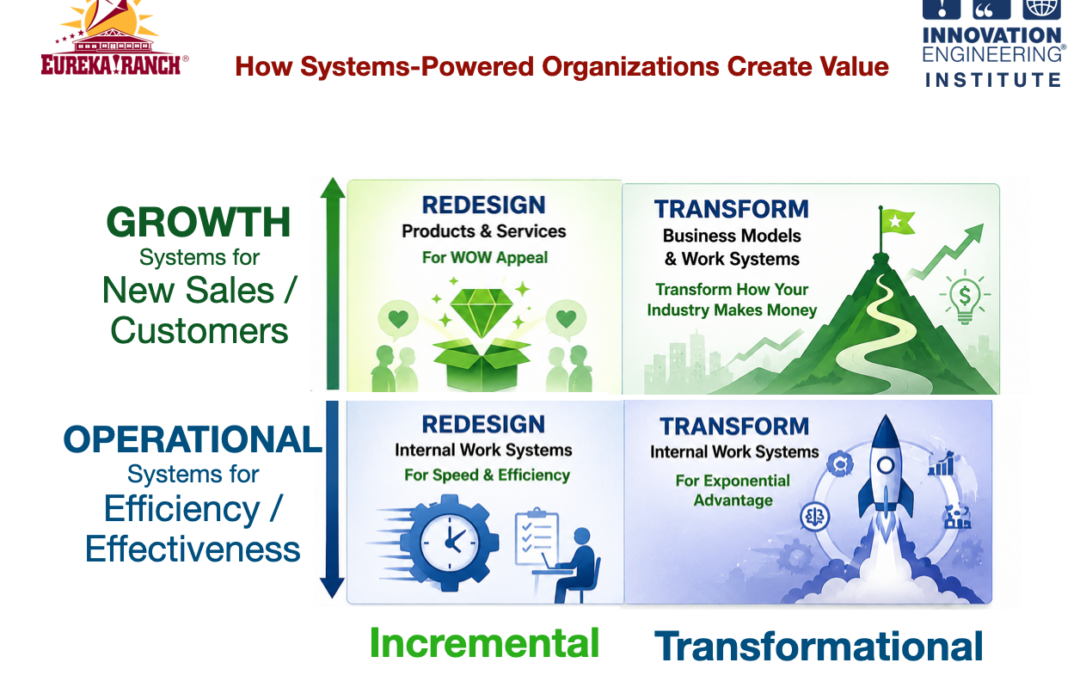
Sometimes you start with something incremental and discover the fundamental changes needed are much bigger. The system was so disconnected and non-aligned that fixing it produced a result nobody expected.
What we found when we got inside the work was a system that was disconnected, non-aligned, and not functioning the way anyone realized. The people were fine. The talent was there. But the systems they were working in were working against them at every step. Communication between teams was breaking down. The process for moving a prospect through the funnel had gaps nobody had named. Ownership of key steps was unclear, so things fell through regularly without anyone feeling responsible for catching them.
Within six months, the pipeline went from $5 million to $50 million. Nobody hired anyone new. Nobody launched a new product. The same team, doing the same basic work, inside a system that finally made sense. Literally, it was a transformational change just by getting things working better.
This is what Dr. Deming was pointing at when he said 94% of failures come from the system and only 6% from the worker. When performance is not where it needs to be, the instinct is to add people, push harder, or question who is in the seats. But in most cases the people are capable. The system they are operating in is not. Fix that first, and results that felt impossible start to become routine.
Most organizations, when they see inefficiency, throw more people at it. That is very inefficient and very ineffective. What they need is a system that works.
We start every engagement with that mindset. What are the work systems that are actually driving or limiting this result? What is disconnected that should be connected? Where is ownership unclear? Where is the process asking people to work around something that should just be fixed? The answers are almost always there. They just have not been looked at through that lens before.
That is what a Systems-Powered Organization does. It engages everyone in continuously improving the systems that drive performance. Not a one-time fix. A permanent shift in how the organization looks at its own work. The results tend to follow.