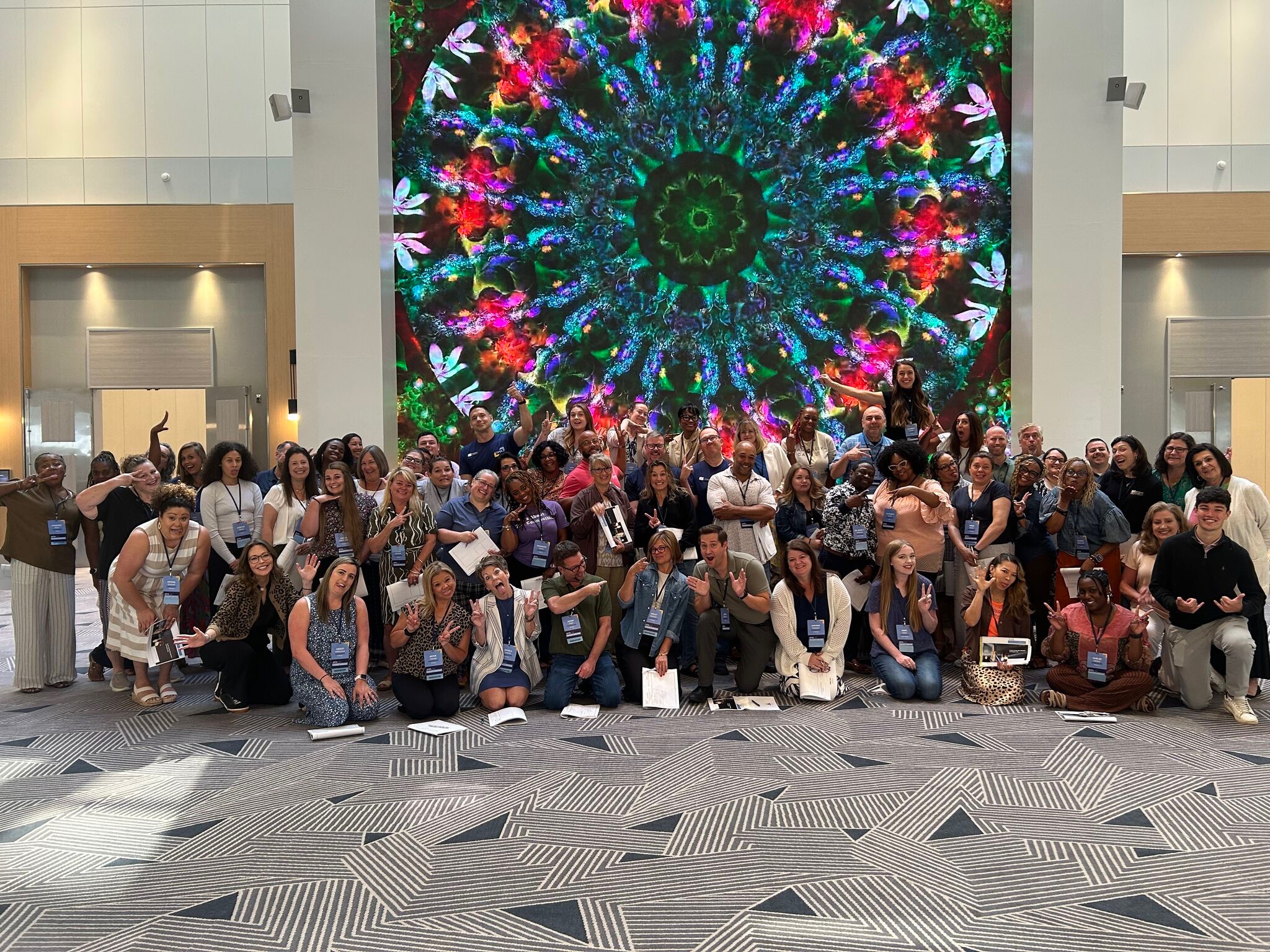
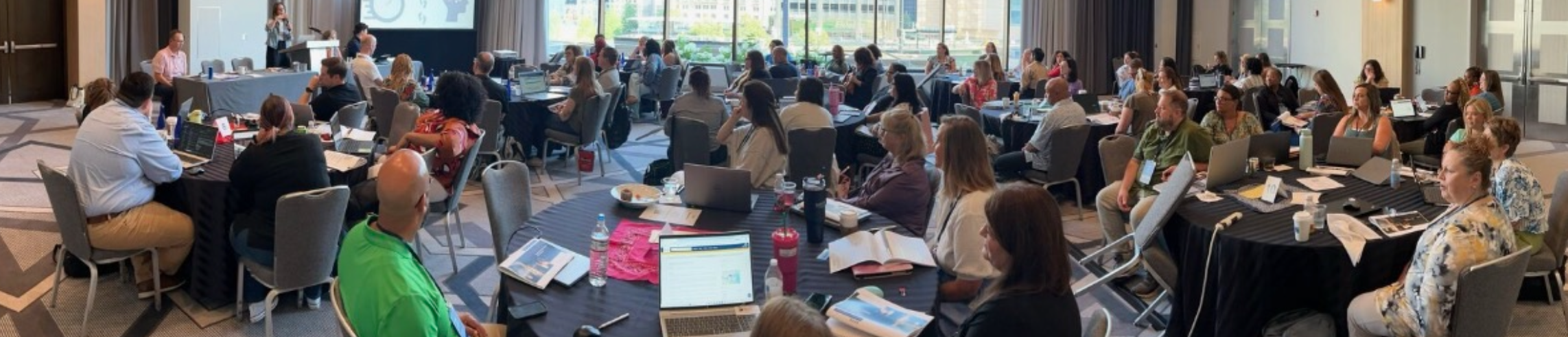
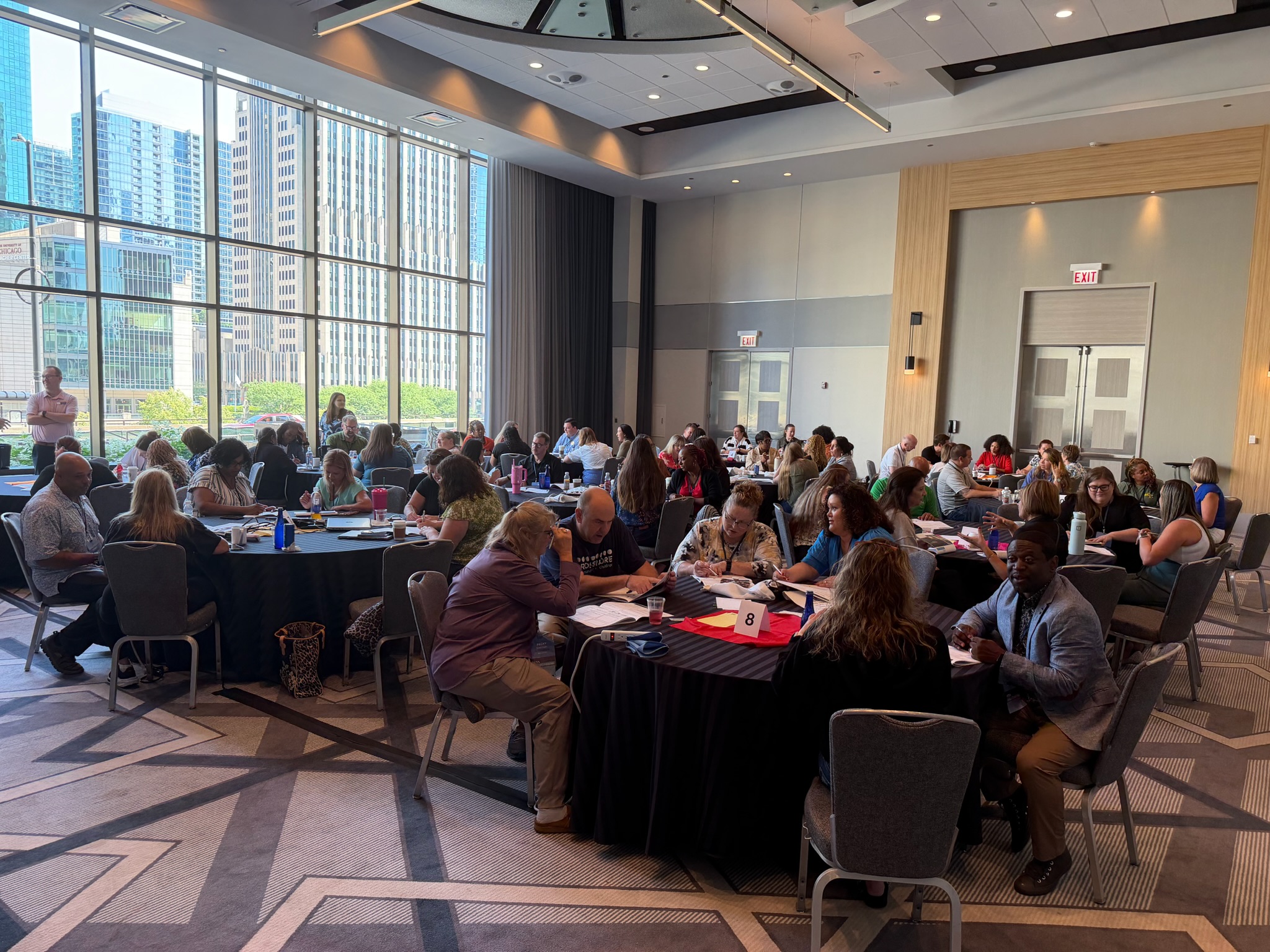
65 people. 1.5 days. 256 ideas that could find a kid a home.
Here's exactly how we turned eight weeks of prep into a two-day sprint for FFTA — and why skipping that prep would've wrecked the whole thing.
One sentence. That's it.
FFTA's problem was huge and fuzzy — foster parent recruitment is broken pretty much everywhere. Before anyone brainstormed anything, we spent weeks boiling it down to one line the whole room could rally around.
"We need ideas for new strategies around foster home recruitment leading to an available home for every child."
Just as important as what we chased: what we ruled out.
A blue card has a target mission but also boundaries and constraints. FFTA and Eureka! Ranch agreed on exclusions up front, so 65 people never burned a minute ideating outside the strike zone.
Everything in-bounds mapped to four stages of recruitment:
Three tools. One and a half days.
It is a System. Every Eureka! session stacks three proven methods, back to back, each with its own job.
Eureka! Idea Engineering
Get everything on the table — six structured rounds, fresh outside stimulus every time.
Day 1 · 9:30am–4:00pmMerwyn Research
Quantify the potential of early ideas with fast stakeholder feedback — before the room falls for the wrong one.
Day 2 · 9:30amTrailblazer Development
Turn the best ideas into next steps, using the collective brainpower already in the room.
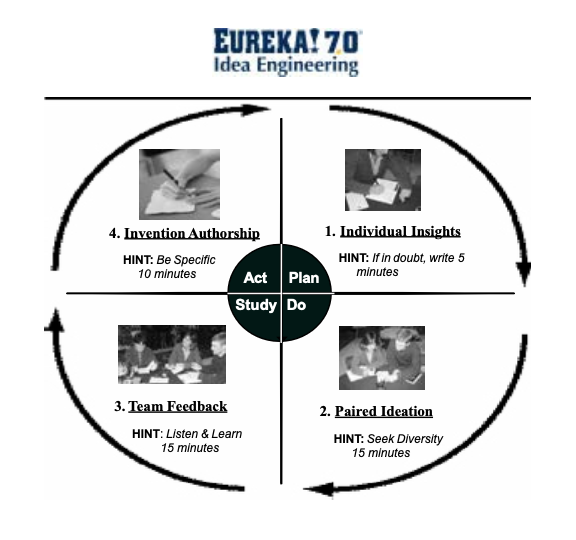
Day 2 · until 12:00pmEvery round runs the same loop.
Individual Insights → Paired Ideation → Team Feedback → Invention Authorship. Plan, Do, Study, Act — borrowed from the scientific method, timed to the minute so the energy never drains out of the room.
The whole thing, in order.
Most case studies skip the boring part. That's a mistake — the boring part is what made this one work. Roughly eight weeks of alignment happened before a single sticky note went up in the room.
Alignment first.
~8 weeks before Day 1
Immersion
Set the objective and constraints, share data, map the system, and run pre-interviews with internal experts — so the room starts from shared truth, not assumptions.
Assessment
The team confidentially rated their own confidence in FFTA's ability to create and execute innovation — a baseline to measure the lab against.
Stimulus Mining
The Eureka! team dug through outside categories — Costco, Netflix, Trader Joe's, Peloton, the Red Cross, behavioral science, even IRS audit research — for provocations across Awareness, Engagement, Commitment, and Licensing.
Pre-Session Research
10 candidate problem statements and 10 idea starters were tested with 43 stakeholders in advance, so the room walked in already knowing which problems were "Big" and "Frequent" enough to be worth solving.
Idea Engineering
9:30am – 4:00pm
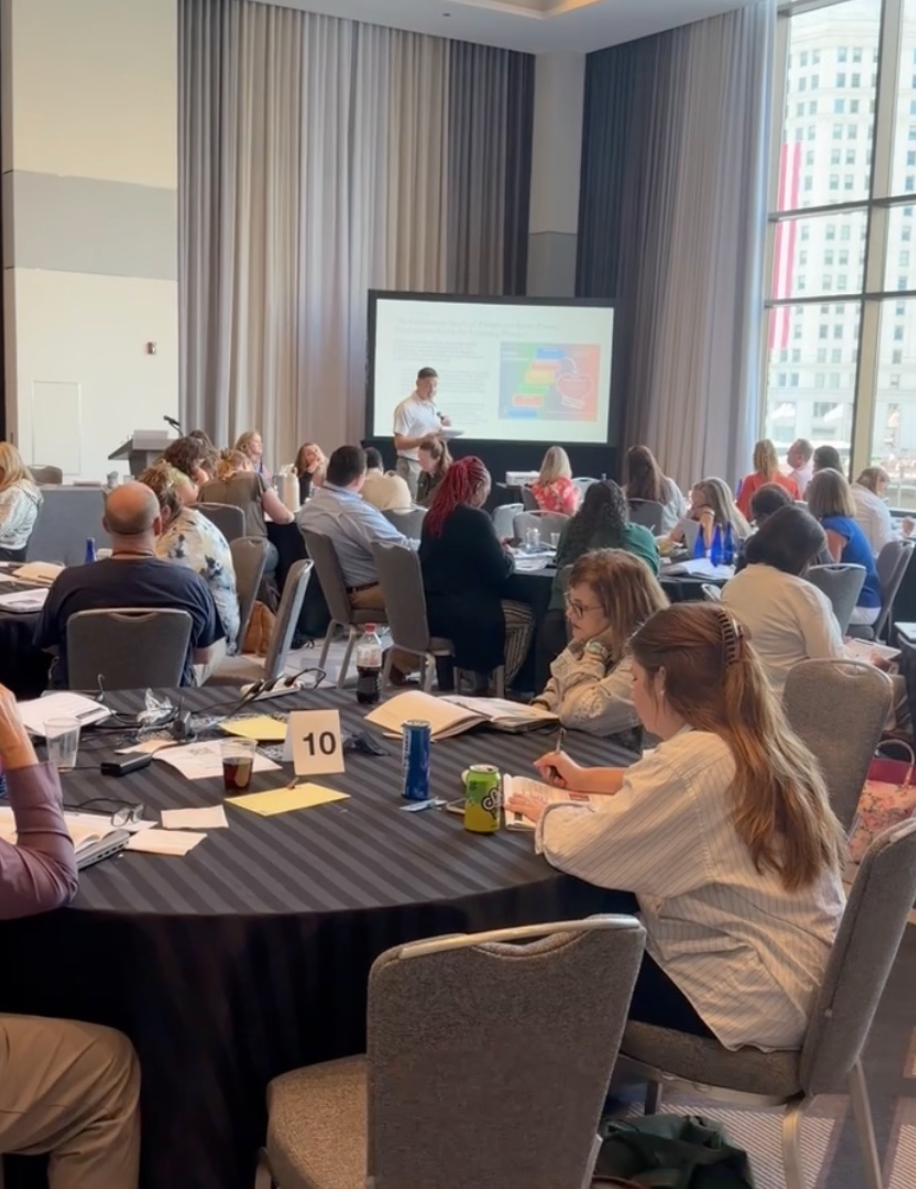
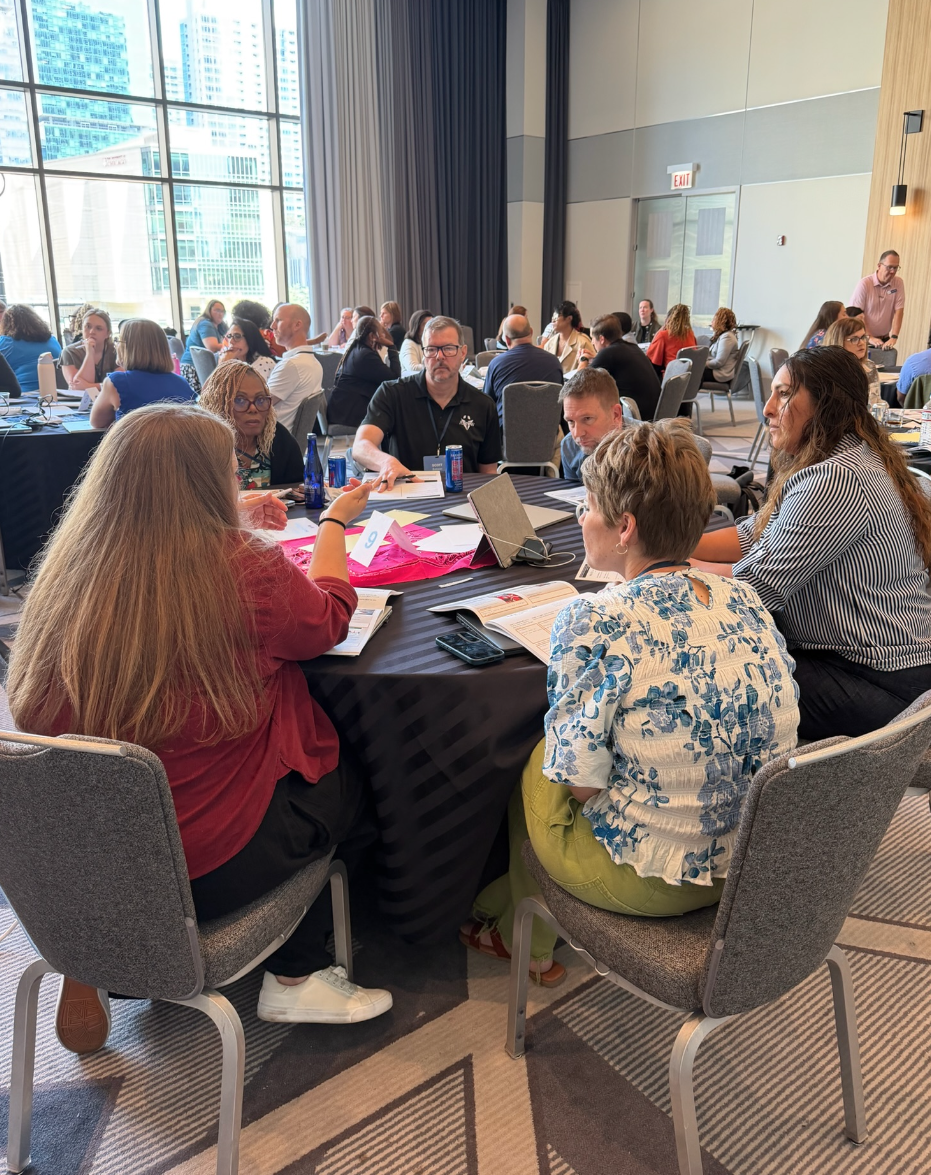
Teams of 4–5, one-hour cycles
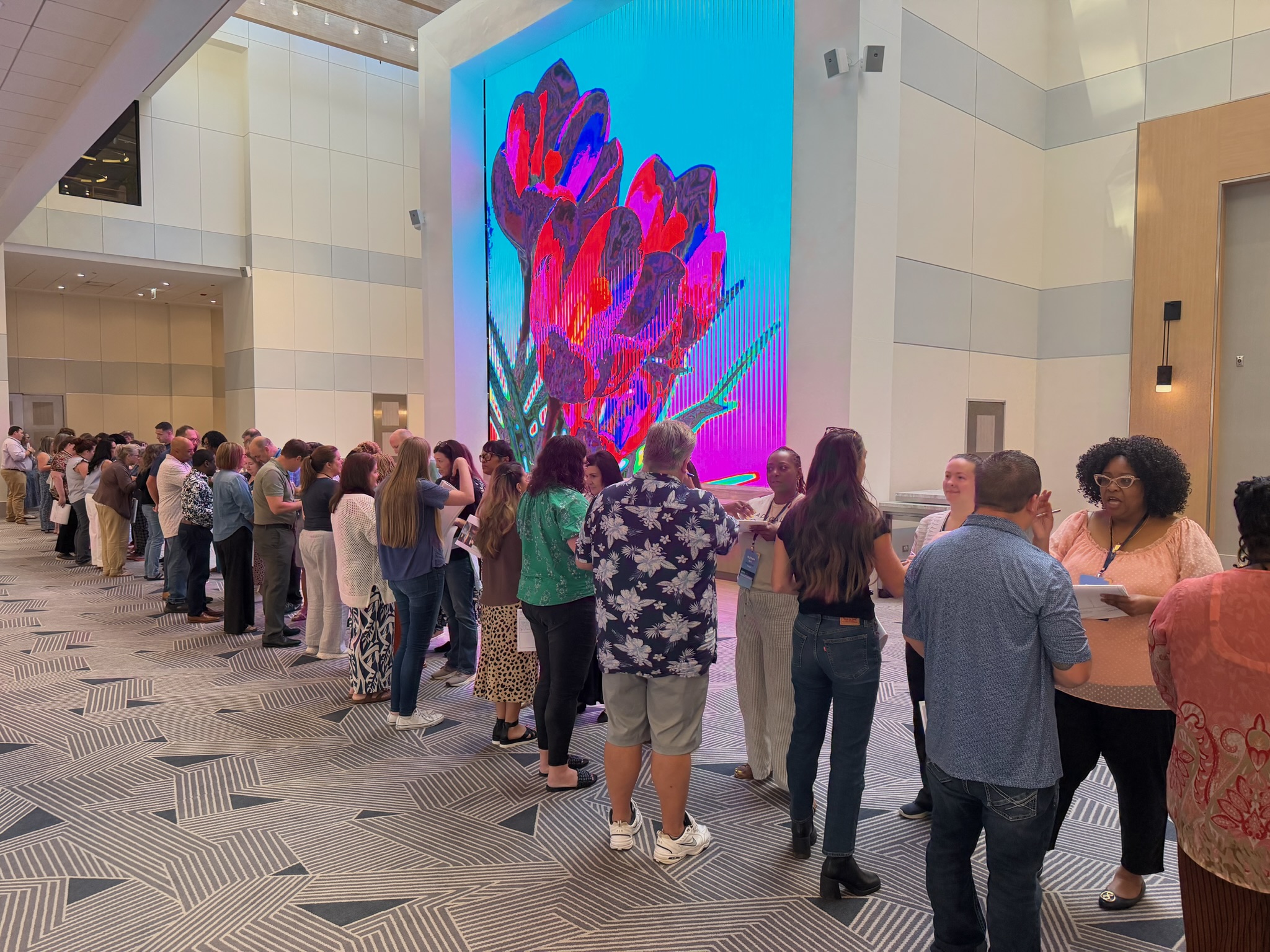
Same rhythm every round: get exposed to stimulus → create ideas → capture them right away in FFTA's private Jump Start Your Brain portal.
Mind Dump
Capturing the ideas the team had coming in fresh, before any outside stimulus.
Awareness Spark Deck
Watching a stimulus presentation gathered in advance, then ideating on it.
Engagement Spark Deck
Same rhythm, new provocations — this time aimed at the engagement stage.
Idea Selection
Each person picks a Blue Chip (comfortable but meaningful) and a Wild Card (a big stretch, but exciting) to develop further — using 20 Questions free-writing and a partner "Gauntlet" pitch to sharpen it.
Research & Trailblazer
9:30am – 12:00pm
Commitment Spark Deck
New stimulus, new prompts, aimed at what turns interest into a signed commitment.
Licensing Spark Deck
Provocations from CT DCF's fast-track program, IRS audit research, and Blue Ocean Strategy.
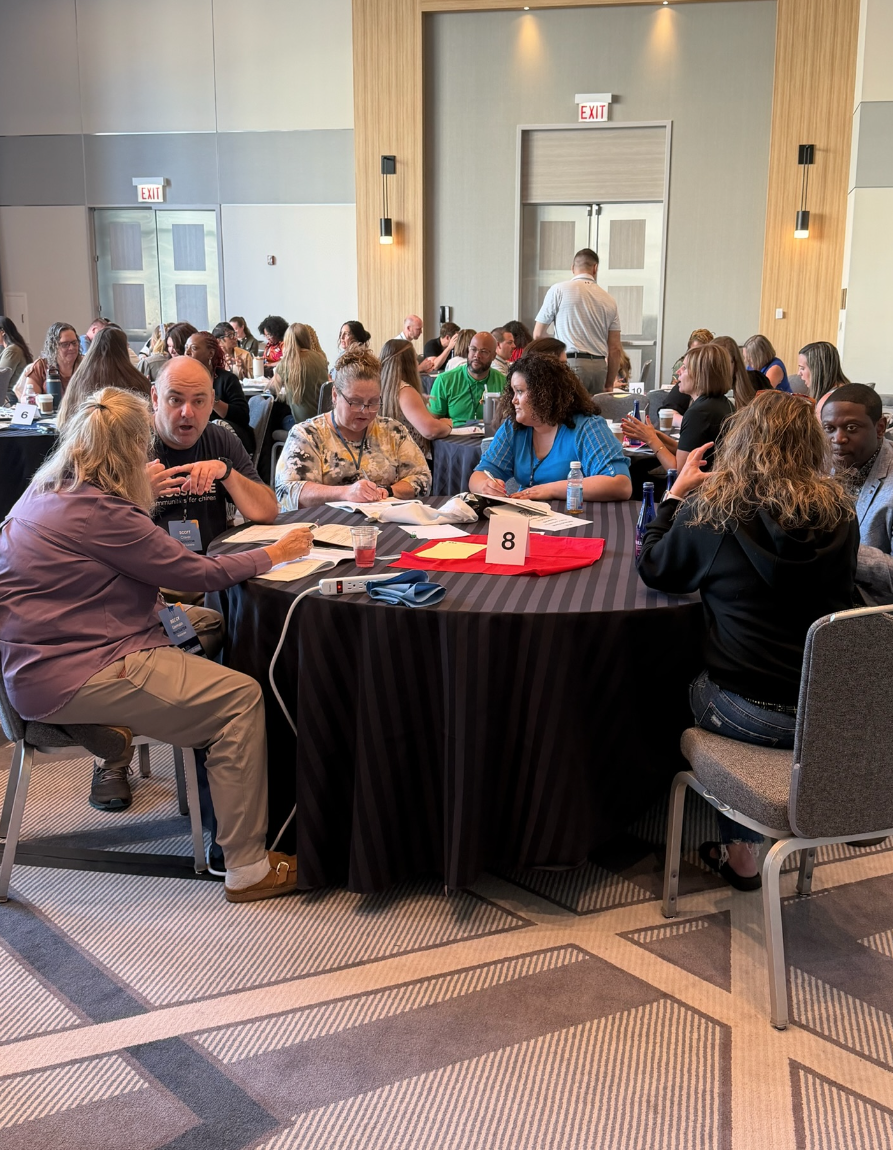
The Gauntlet
Rapid-fire idea building across the whole team to add depth before final selection.
Whole Opportunity Thinking
For each finalist idea, the team named its strategic fit, why they saw potential, and the top risks and recommended next steps — no idea moved forward without a candid look at what could kill it.
Idea Selection & Improvement
Each table picked its single favorite idea, then worked as a group to sharpen and clearly capture it for research.
Concept Validation
Weeks after everyone went home
Full Concept Research
10 fully-written concepts were tested with 22 stakeholders to see how meaningful and how genuinely unique each one felt — turning "the room liked it" into an actual score.
10 Business Pitches
Each finalist concept got pitched back to the wider FFTA group — the finish line for a process that started eight weeks earlier with a single objective sentence.
Spark decks turn research into ideas, fast.
Every insight below started as something we dug up weeks before Day 1. In the room, each one became a slide and sixty seconds of "what if we…" for every table.
Awareness
Engagement
Commitment
Licensing
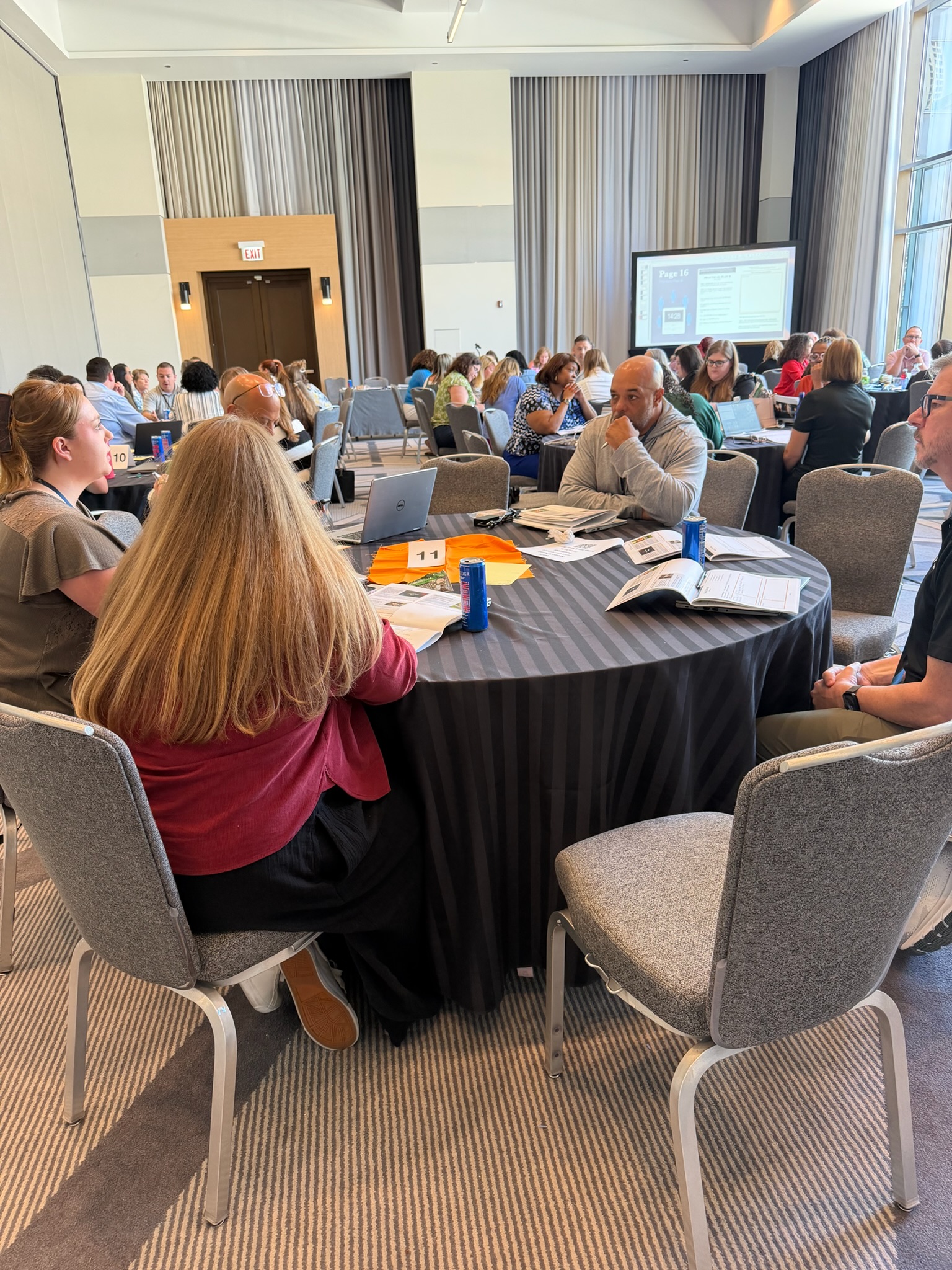
Structure produces volume. Volume produces quality.
"Research is an aid to our judgement. Every idea can be made to work."
We don't let the loudest voice in the room decide what moves forward. Ideas get scored by real stakeholders, before and after the session, on two simple dimensions.
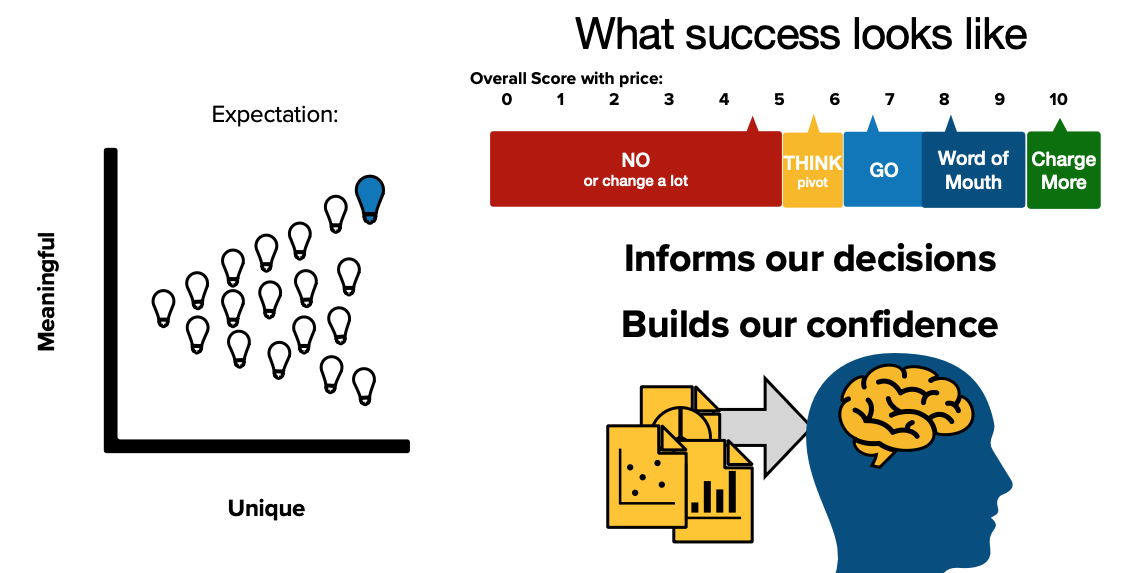
"Research is an aid to our judgement. Every idea can be made to work."
| Problem statement | Overall score |
|---|---|
| Committed families disproportionately choose low-needs placements, leaving higher-needs kids without homes | 8.3 |
| The drop-off between community awareness of the need and actual commitment — "that's a good cause" never becomes "I'll do it" | 8.2 |
| Frequent caseworker turnover leaves foster families without consistent, reliable support | 7.7 |
| Negative public perception and stigma discourage otherwise willing families from stepping forward | 7.2 |
| Small, inflexible recruitment budgets can't compete for attention in a crowded media landscape | 7.1 |
Top 5 of 10 statements tested shown, ranked by Overall Score.
| Concept | Overall score |
|---|---|
| The 100 Neighbors Project — everyday neighbors support foster families through small, specific acts of service | 8.0 |
| Foundation to Foster — down-payment assistance that grows fostering capacity and builds pathways to homeownership | 7.9 |
| Homes for Hope — a rent-free housing community purpose-built for foster families and sibling groups | 7.6 |
| Join the Village — an ecosystem of fostering support that includes people not yet ready to foster | 7.6 |
| Licensing Retreat / Power Weekend — a structured, wrap-around weekend that expedites licensure | 7.5 |
Top 5 of 10 concepts tested shown, ranked by Overall Score.
From spark deck to pitch-ready, for real.
Eleven ideas made it to a full concept board and live stakeholder rating. Here are the ones the room — and the research — believed in most.
100 Neighbors Project
Top ScoreThe first foster family support initiative designed to unite the broader community around foster families — everyday neighbors offer meals, rides, or a spare set of hands, easing isolation and building a stronger support system.
Foundation to Foster
CommitmentA down-payment assistance program for dedicated foster parents — growing fostering capacity while building a pathway to homeownership for committed caregivers.
Homes for Hope
LicensingA "rent free" housing community providing safe, well-maintained homes with ample space for every child — built for placement stability, sibling connection, and respite.
Join the Village
EngagementA project to cultivate an ecosystem of fostering support — inviting individuals, businesses, and organizations to belong to a network long before they're ready to foster themselves.
Licensing Retreat / Power Weekend
LicensingA structured, wrap-around expedited licensing process that removes logistical and timeline barriers — paperwork, medicals, and emotional support, all in one weekend.
Foster Parent Partner Program
CommitmentHands-on support for incoming foster parents as they work through the process and stay connected once licensed — decreasing burn-out and increasing emotional health.
Every Role Matters
EngagementThe Foster Care Circle of Engagement connects everyone passionate about foster care to diverse ways to help — not just foster parent licensing.
Fostering Foundations
EngagementA perspective-first support program that welcomes prospective foster parents into the community from their very first point of interest — before they're ready for full commitment.
The One Child Community
AwarenessA community recruitment model built to recruit, retain, and support committed foster parents — because more people bringing awareness beats individual effort alone.
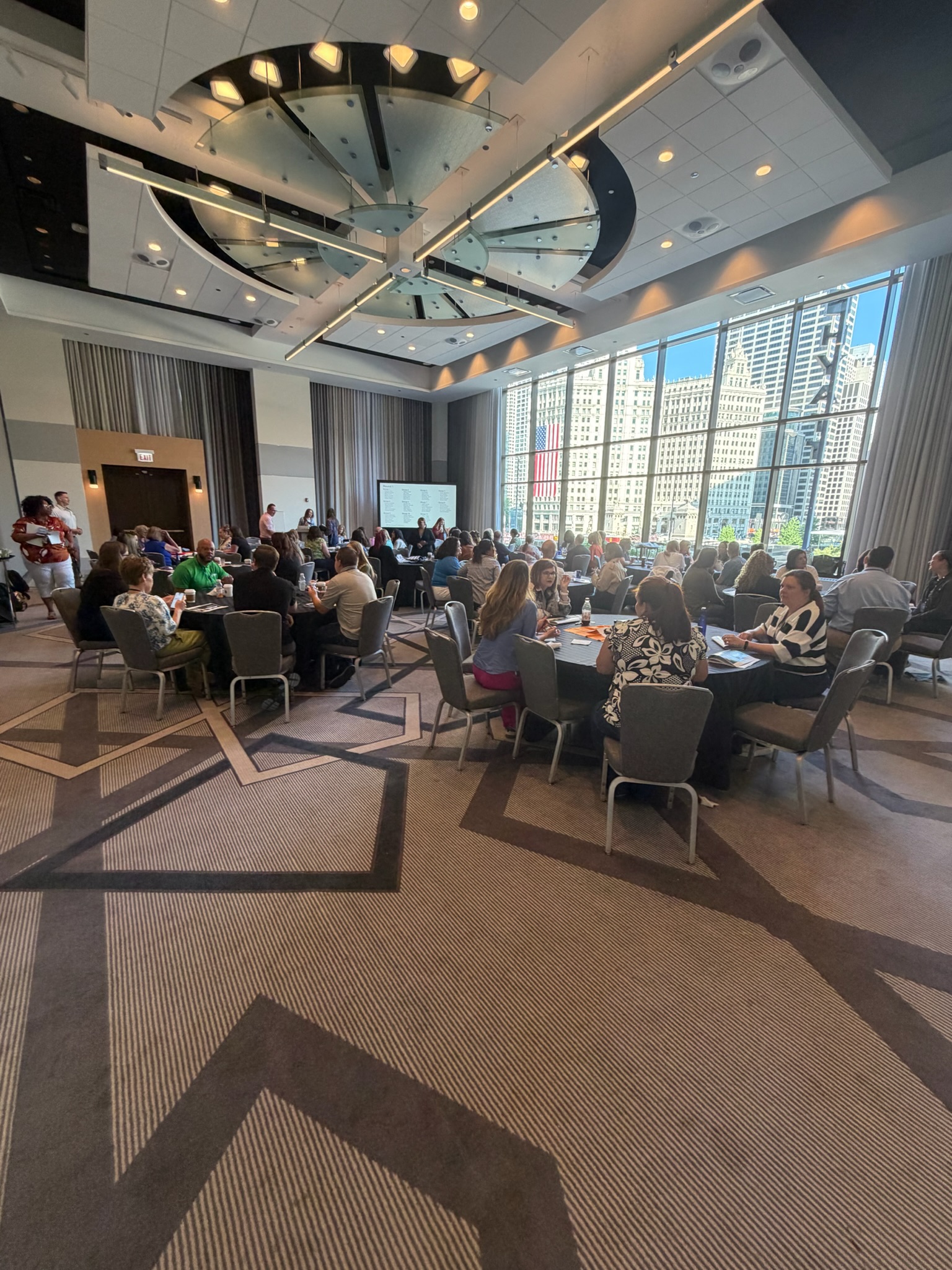
How people described walking out of the room.
Got your own impossible problem? Let's spend 1.5 days on it.
The Eureka! Ranch runs this exact model — Immersion, Idea Engineering, Merwyn Research, and Trailblazer Development — for associations and companies who need more than a brainstorm. If FFTA's team can turn eight weeks of alignment into 256 real ideas and 10 tested concepts, yours can too.